
Discipline in trading isn’t about being perfect or feeling motivated every day. It’s about building habits that keep you steady when the market gets unpredictable.
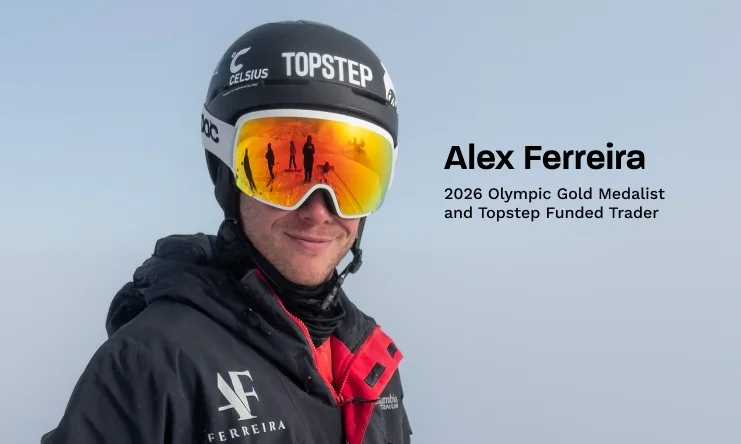
In one of our latest blog posts, we looked at how professional halfpipe skier Alex Ferreira prepares through repetition, review, and execution long before anyone sees the results. Traders live that same reality. The real work happens in the prep, the rules you follow, and the choices you make when the pressure’s on.

This FAQ is here to help you turn that mindset into action. Whether you’re working on consistency, emotional control, or smarter risk management, the questions below break down the habits that help traders stay in control, trade with confidence, and improve over time.
FAQs: Trading habits, discipline, and consistency
What are common trading mistakes and bad habits to avoid?
Common trading mistakes include overtrading, ignoring risk management rules, trading without a plan, chasing losses, and letting emotions override execution. Breaking these bad trading habits is essential for long-term consistency, especially in fast-moving market conditions.
How does trading psychology and emotional control affect trading habits?
Trading psychology plays a major role in trading habits because emotions like fear, FOMO, and frustration often lead to rule-breaking. Strong emotional control allows traders to follow their trading plan and stick to proven habits under pressure.
Are trading habits different for day trading vs swing trading?
Yes, day trading habits vs swing trading habits differ in execution speed, time commitment, and trade frequency. However, core habits like risk management, journaling, preparation, and discipline apply to all trading styles, just as they do across competitive levels.
What tools can help track trading performance and habits?
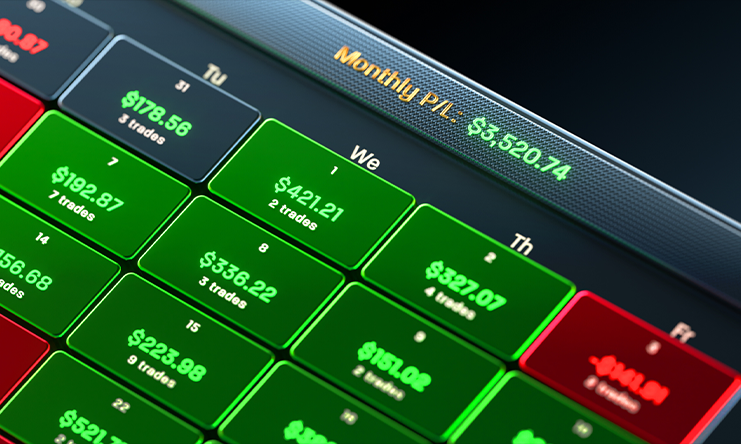
Tools that help track trading performance and habits include trading journals, analytics dashboards, risk management calculators, and simulated trading platforms. These tools support habit-building by reinforcing structure and accountability, similar to how professional athletes review performance data after major competitions.
Who is Alex Ferreira, and why is his mindset relevant to traders?
Alex Ferreira is an elite halfpipe skier known for his discipline, preparation, and consistency at the highest level of competition. His mindset aligns closely with trading habits that emphasize routines, repetition, and execution over short-term results.
What trading habits can traders learn from Alex Ferreira?
Traders can learn the importance of preparation, repetition, and review from Alex Ferreira. His training approach reinforces daily routines, performance tracking, and learning from mistakes, all of which translate directly to stronger trading habits.
How does Alex Ferreira’s discipline apply to trading consistency?
Alex prioritizes execution regardless of motivation. Traders who adopt this mindset are more likely to follow their trading plan, manage risk effectively, and maintain consistent trading habits during volatile market conditions.
How can traders apply Alex Ferreira’s approach to risk management?
Alex treats mistakes as feedback rather than failure, a mindset shaped through years of competition. Traders can do the same by reviewing losses without emotion, tightening their risk rules, and using every trade as feedback. That’s how you build discipline, protect capital, and stack good habits that hold up over time.
Disciplined trading comes from habits you can rely on: preparation, execution, and review repeated over time.
And when you’re building those habits, your training ground matters. That’s where Topstep’s Trading Combine® comes in. It gives you a structured, simulated environment to practice consistency before trading real capital.
If you’re ready to bring those habits into your trading, this is the next step.